

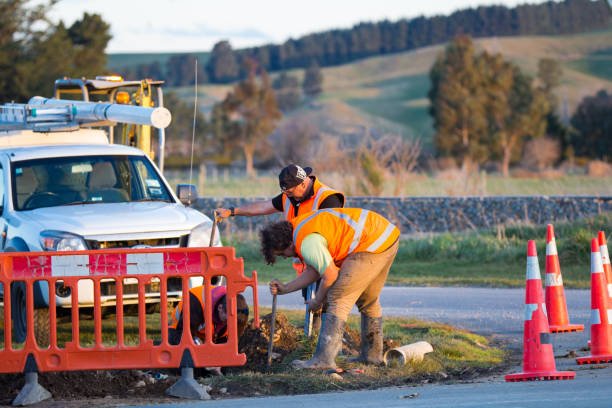
The construction industry in New Zealand continues to experience remarkable growth, creating thousands of employment opportunities for skilled and semi-skilled workers from around the world. Large-scale residential developments, commercial projects, road upgrades, bridges, schools, hospitals, and public infrastructure continue to increase the demand for qualified construction professionals.
Despite ongoing investment in the construction sector, New Zealand still faces a shortage of workers. Many employers struggle to recruit enough local employees, prompting construction companies to hire qualified foreign workers through approved immigration pathways. For international applicants, this shortage creates a valuable opportunity to secure stable employment, competitive salaries, and long-term career growth.
Many construction companies now recruit overseas workers because they need carpenters, electricians, plumbers, bricklayers, painters, scaffolders, steel fixers, machine operators, and general labourers to complete important projects. Some employers also provide relocation assistance, visa sponsorship, accommodation support, and ongoing training to attract experienced workers.
For job seekers from Nigeria, Ghana, Kenya, South Africa, Uganda, Zimbabwe, and many other countries, New Zealand offers an opportunity to earn significantly higher wages while enjoying excellent working conditions and a high quality of life.
Unlike some industries that require advanced academic qualifications, many construction jobs focus more on practical skills, work experience, physical fitness, and a strong work ethic. Workers who demonstrate reliability, teamwork, and safety awareness often build rewarding careers and progress into supervisory or management positions.
This comprehensive guide explains everything you need to know about construction jobs in New Zealand with free visa sponsorship in 2026. You will learn about the highest-paying construction careers, salary expectations, visa sponsorship opportunities, qualifications, application procedures, and practical tips that can improve your chances of securing employment.
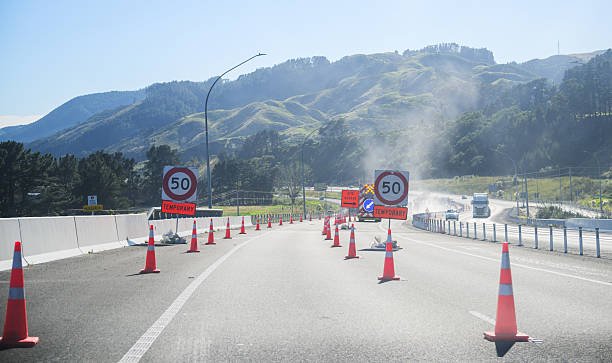
Why New Zealand Needs Construction Workers
The construction sector plays a major role in New Zealand’s economy. Every year, government agencies and private developers invest billions of dollars in new infrastructure and property developments.
Several factors continue to increase demand for construction workers.
Population Growth
New Zealand’s population continues to grow, creating demand for new housing developments, schools, hospitals, shopping centres, and transport infrastructure.
Construction companies require additional workers to complete these projects on schedule.
Infrastructure Development
The government continues investing heavily in:
- Roads
- Bridges
- Rail projects
- Water systems
- Public buildings
- Renewable energy projects
Each project creates employment opportunities across multiple construction trades.
Housing Demand
The country continues building thousands of new homes to meet increasing housing demand.
Residential construction companies regularly recruit:
- Carpenters
- Roofers
- Bricklayers
- Concrete workers
- Painters
- General labourers
Retirement of Experienced Workers
Many experienced tradespeople have reached retirement age, creating additional vacancies throughout the industry.
Construction companies now recruit younger local workers and experienced international professionals to replace retiring employees.
Labour Shortages
Construction remains one of New Zealand’s official skill shortage sectors.
Many employers cannot fill vacancies locally, making international recruitment an important solution.
This situation creates excellent opportunities for foreign workers seeking visa-sponsored employment.
Why Foreign Workers Choose New Zealand
Many skilled workers compare opportunities in countries such as Canada, Australia, the United Kingdom, and Germany before deciding where to relocate.
New Zealand continues attracting international workers because it combines strong salaries with excellent living standards.
Competitive Salaries
Construction workers in New Zealand earn attractive wages compared to many countries.
Experienced tradespeople often receive:
- High hourly rates
- Overtime pay
- Holiday pay
- Performance bonuses
Skilled professionals can earn well over NZD $100,000 annually depending on their occupation and experience.
Visa Sponsorship Opportunities
Many accredited employers sponsor qualified foreign workers through New Zealand’s immigration system.
Visa sponsorship allows successful applicants to relocate legally and begin employment with approved companies.
Some employers also assist workers with relocation expenses and settlement support.
Safe Working Environment
New Zealand maintains strict workplace safety standards.
Construction companies provide:
- Safety equipment
- Workplace training
- Regular inspections
- Protective clothing
- Risk management procedures
These measures help reduce workplace accidents and improve employee wellbeing.
Career Development
Construction companies invest in employee development.
Workers often receive opportunities to:
- Learn new skills
- Obtain additional certifications
- Progress into leadership positions
- Increase earning potential
Many site supervisors and project managers began their careers as apprentices or general labourers.
Excellent Work-Life Balance
Many employers encourage healthy work-life balance through:
- Regular working hours
- Paid annual leave
- Public holidays
- Family-friendly policies
This balance allows workers to enjoy New Zealand’s outdoor lifestyle while building successful careers.
Understanding Visa Sponsorship
One of the biggest advantages for foreign applicants involves employer-sponsored work visas.
Instead of searching for employment independently after arriving in New Zealand, many workers secure job offers before travelling.
Employers who cannot recruit enough local workers may sponsor qualified overseas applicants.
Visa sponsorship generally includes:
- Employment contract
- Immigration support
- Assistance with documentation
- Guidance throughout the visa process
Some employers also help workers settle into their new communities by providing temporary accommodation or relocation assistance.
What Is Free Visa Sponsorship?
The phrase “free visa sponsorship” often appears in international job advertisements.
In most cases, it means the employer supports the worker’s visa application and may cover some or all immigration-related costs. However, the exact level of support varies between employers.
Some companies provide:
- Visa application assistance
- Immigration documentation
- Licensed immigration support
- Relocation guidance
- Temporary accommodation upon arrival
Always read the employment contract carefully to understand which costs the employer covers and which remain the employee’s responsibility.
Highest-Paying Construction Jobs in New Zealand
The construction industry includes dozens of specialised careers. Some occupations command particularly high salaries because of strong demand and limited skilled labour.
1. Construction Project Manager
Construction project managers oversee entire building projects from planning to completion.
Main Responsibilities
- Plan construction schedules
- Coordinate contractors
- Manage project budgets
- Monitor safety compliance
- Communicate with clients
- Resolve project challenges
Average Salary
Experienced project managers can earn between NZD $120,000 and NZD $180,000 per year, depending on the size and complexity of the projects they manage.
2. Civil Engineer
Civil engineers design and supervise major infrastructure projects such as roads, bridges, tunnels, airports, and water systems.
Responsibilities
- Prepare engineering plans
- Inspect construction sites
- Ensure structural safety
- Supervise contractors
- Review technical drawings
Average Salary
Civil engineers typically earn NZD $95,000 to NZD $160,000 annually, with experienced professionals earning even more.
3. Carpenter
Carpenters remain among the most in-demand construction professionals across New Zealand.
They work on residential, commercial, and industrial projects.
Responsibilities
- Build wooden structures
- Install doors and windows
- Construct roofing frameworks
- Read construction drawings
- Measure and cut materials accurately
Average Salary
Qualified carpenters generally earn NZD $65,000 to NZD $95,000 per year, while highly experienced carpenters working on specialised projects may earn substantially more.
4. Electrician
Electricians install, repair, and maintain electrical systems in homes, offices, factories, and commercial buildings.
Responsibilities
- Install electrical wiring
- Test electrical systems
- Repair faults
- Maintain safety standards
- Interpret technical diagrams
Average Salary
Experienced electricians commonly earn NZD $75,000 to NZD $120,000 annually, depending on qualifications and experience.
5. Plumber
Plumbers install water supply systems, drainage networks, and gas systems for residential and commercial buildings.
Responsibilities
- Install plumbing systems
- Repair leaks
- Fit drainage systems
- Maintain water infrastructure
- Inspect installations
Average Salary
Qualified plumbers often earn NZD $70,000 to NZD $110,000 per year, with specialist contractors earning even higher incomes.
6. Bricklayer Jobs
Bricklayers play an essential role in New Zealand’s construction industry. Residential developers, commercial contractors, and infrastructure companies continue to recruit skilled bricklayers because new housing projects remain in high demand.
Workers in this profession build walls, foundations, fireplaces, and decorative brick structures while ensuring every project meets engineering specifications.
Main Responsibilities
A bricklayer may:
- Lay bricks and concrete blocks
- Prepare mortar mixtures
- Read construction drawings
- Measure building materials accurately
- Repair damaged brickwork
- Maintain structural quality
Average Salary
Experienced bricklayers generally earn between NZD $65,000 and NZD $100,000 per year.
Workers who specialize in heritage restoration or commercial construction may earn even more.
7. Heavy Equipment Operator
Modern construction projects depend heavily on machinery. Heavy equipment operators control expensive machines that move earth, lift heavy materials, and prepare construction sites.
Many employers actively recruit experienced operators because these skills remain difficult to replace.
Equipment You May Operate
- Excavators
- Bulldozers
- Loaders
- Rollers
- Cranes
- Backhoes
Responsibilities
Operators:
- Prepare construction sites
- Dig foundations
- Move construction materials
- Maintain machinery
- Follow safety procedures
Average Salary
Heavy equipment operators often earn NZD $70,000–NZD $120,000 annually, depending on certifications and experience.
8. Steel Fixer Jobs
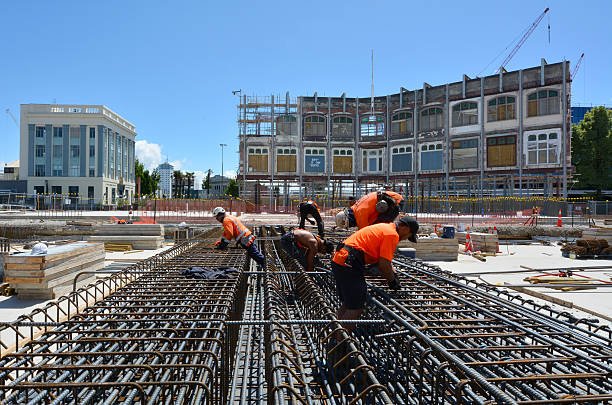
Steel fixers strengthen concrete structures by installing reinforcing steel bars before concrete pouring begins.
This occupation remains important in commercial buildings, bridges, tunnels, and large infrastructure projects.
Responsibilities
Workers:
- Read engineering drawings
- Cut reinforcing steel
- Tie reinforcement bars
- Position reinforcement correctly
- Prepare foundations
Salary
Steel fixers generally earn NZD $65,000–NZD $95,000 annually.
9. Painter and Decorator
Construction companies regularly recruit painters during the finishing stages of projects.
Responsibilities
Painters:
- Prepare surfaces
- Apply paint and coatings
- Repair wall imperfections
- Protect finished surfaces
- Maintain quality standards
Salary
Professional painters usually earn NZD $60,000–NZD $90,000 yearly.
10. General Construction Labourer
General labourers support almost every construction project.
Although this position often serves as an entry point into construction, experienced labourers remain valuable members of every project team.
Responsibilities
General labourers:
- Carry construction materials
- Prepare work sites
- Clean project areas
- Assist skilled tradespeople
- Operate basic tools
- Follow safety instructions
Salary
Construction labourers typically earn NZD $50,000–NZD $75,000 annually, with overtime increasing overall income.
Qualifications Employers Prefer
Different construction occupations require different qualifications.
However, employers commonly value practical ability more than academic degrees.
Applicants who possess the following qualities usually perform well during recruitment.
Practical Construction Experience
Employers appreciate candidates who understand construction environments.
Experience may include:
- Residential building
- Commercial construction
- Road projects
- Renovation work
- Industrial construction
Trade Certifications
Professional certifications strengthen applications considerably.
Examples include:
- Carpentry certificates
- Plumbing licenses
- Electrical qualifications
- Welding certifications
- Machinery operation certificates
Physical Fitness
Construction work often involves:
- Lifting
- Climbing
- Standing
- Walking
- Working outdoors
Good physical condition improves productivity and workplace safety.
Safety Awareness
Construction companies prioritize safety above everything else.
Workers should understand:
- Protective equipment
- Hazard identification
- Safe lifting techniques
- Emergency procedures
Important Soft Skills
Technical ability alone does not guarantee employment.
Employers also evaluate professional behaviour.
Communication
Construction workers communicate continuously with supervisors, engineers, and fellow tradespeople.
Clear communication reduces workplace mistakes.
Reliability
Employers value workers who:
- Arrive on time
- Complete assigned tasks
- Follow instructions
- Respect deadlines
Reliable employees often receive promotions.
Teamwork
Large construction projects require cooperation.
Workers regularly collaborate with:
- Engineers
- Surveyors
- Electricians
- Carpenters
- Machine operators
- Site managers
Strong teamwork helps projects finish successfully.
Work Visa Pathways
Many foreign workers secure employment through employer-sponsored work visas.
Construction companies experiencing labour shortages frequently recruit internationally.
Common pathways include employer-supported work visas that allow successful applicants to relocate legally after receiving a confirmed job offer.
Applicants should always review the latest immigration requirements before applying, as visa rules can change over time.
Step-by-Step Application Process
Step 1: Prepare a Professional CV
Your CV should include:
- Construction experience
- Trade qualifications
- Safety training
- Machinery certifications
- Employment history
- Contact information
Use simple formatting and emphasize measurable achievements.
Step 2: Write a Strong Cover Letter
Your cover letter should explain:
- Why you want to work in New Zealand
- Relevant construction experience
- Safety awareness
- Willingness to relocate
Personalize each application instead of sending the same letter to every employer.
Step 3: Search for Accredited Employers
Focus on construction companies that recruit internationally.
Many larger employers regularly hire overseas workers because they experience ongoing labour shortages.
Step 4: Attend Interviews
Construction interviews may include questions about:
- Previous projects
- Safety procedures
- Machinery operation
- Teamwork
- Problem-solving
Some employers also request practical trade assessments.
Step 5: Receive a Job Offer
Successful applicants receive an employment agreement outlining:
- Salary
- Working hours
- Benefits
- Start date
- Visa support
Review the contract carefully before accepting.
Best Cities for Construction Jobs
Construction opportunities exist throughout New Zealand, but several cities continue experiencing especially strong demand.
Auckland
Auckland remains New Zealand’s largest construction market.
Workers find opportunities in:
- Residential developments
- Commercial buildings
- Transport infrastructure
- Industrial facilities
Christchurch
Christchurch continues investing in rebuilding and urban development.
Construction companies regularly recruit:
- Carpenters
- Electricians
- Plumbers
- Labourers
Wellington
Government infrastructure projects create ongoing employment opportunities.
Workers contribute to:
- Office developments
- Public transport
- Civil engineering projects
Hamilton
Hamilton continues expanding rapidly.
New residential communities generate strong demand for construction professionals.
Tauranga
Rapid population growth supports continued construction activity across housing and commercial sectors.
Benefits Beyond Salary
Many construction employers provide additional benefits.
These may include:
- Paid annual leave
- Overtime opportunities
- Safety training
- Tool allowances
- Career development
- Accommodation assistance
- Performance bonuses
Some employers also assist international workers during relocation.
Common Mistakes Applicants Should Avoid
Using a Generic CV
Construction employers prefer applications tailored to their vacancies.
Highlight experience that matches each position.
Ignoring Safety Training
Safety remains critical.
Include every relevant safety qualification on your CV.
Applying Without Research
Learn about the company before interviews.
Understanding the employer demonstrates genuine interest.
Accepting Unverified Job Offers
Always confirm:
- Employer legitimacy
- Employment conditions
- Visa arrangements
- Salary details
Avoid anyone promising guaranteed visas in exchange for large upfront payments.
Why Construction Remains One of New Zealand’s Best Career Choices
Construction continues supporting national development.
The industry offers:
- Stable employment
- Competitive salaries
- Career progression
- International opportunities
- Long-term demand
As infrastructure projects continue expanding, skilled construction professionals should remain highly sought after throughout 2026 and beyond.
Where to Find Construction Jobs in New Zealand
Finding the right employer is one of the most important steps in your relocation journey. While many companies recruit directly, others advertise vacancies through trusted job platforms or recruitment agencies that specialize in construction and skilled trades.
Before submitting an application, research the employer carefully. Read the job description, confirm the qualifications required, and ensure the company is legitimate.
Some of the most reliable places to search for construction jobs include:
Create profiles on these platforms, upload an updated CV, and enable job alerts so you receive notifications when employers publish new vacancies.

Top Construction Companies in New Zealand
Many well-established construction companies recruit skilled professionals throughout the year.
Some employers frequently advertise opportunities in residential, commercial, civil engineering, and infrastructure projects.
Examples include:
- Fletcher Building
- Downer New Zealand
- HEB Construction
- Naylor Love
- Hawkins
Large employers often provide structured training, career development opportunities, and access to major projects across the country.
How to Prepare a Winning Construction CV
Your CV creates the employer’s first impression of you. A well-organized CV increases your chances of receiving an interview invitation.
Include the following sections:
Personal Information
Provide:
- Full name
- Telephone number
- Email address
- Current country of residence
Professional Summary
Write a short paragraph explaining:
- Your construction experience
- Key skills
- Career goals
- Trade specialization
Keep this section concise but persuasive.
Employment History
List previous employers in reverse chronological order.
For each position include:
- Job title
- Employer name
- Dates of employment
- Major responsibilities
- Key achievements
Focus on measurable accomplishments whenever possible.
Qualifications
Include:
- Trade certificates
- Apprenticeships
- Technical diplomas
- Safety qualifications
Skills
Highlight practical abilities such as:
- Carpentry
- Plumbing
- Electrical installation
- Welding
- Heavy machinery operation
- Blueprint reading
- Concrete work
- Site supervision
Writing a Strong Cover Letter
A personalized cover letter helps employers understand why you are interested in joining their company.
Explain:
- Why you want to relocate to New Zealand.
- How your experience matches the advertised position.
- Your commitment to workplace safety.
- Your willingness to relocate and begin work promptly.
Avoid copying the same letter for every application.
Interview Preparation Tips
Employers often ask practical questions during interviews.
Prepare answers for questions such as:
- Tell us about your construction experience.
- Which machinery have you operated?
- How do you maintain workplace safety?
- Describe a difficult project you completed successfully.
- Why do you want to work in New Zealand?
Answer confidently using real examples from your previous work.
Documents You May Need
Although requirements vary depending on the employer and visa type, applicants commonly prepare:
- Valid passport
- Updated CV
- Cover letter
- Educational certificates
- Trade qualifications
- Employment references
- Police clearance certificate
- Medical examination results
Preparing these documents early can speed up the application process.
Accommodation Options
Housing costs vary across New Zealand.
Many international workers begin with temporary accommodation before renting long-term housing.
Accommodation options include:
Employer-Provided Housing
Some construction companies provide:
- Shared accommodation
- Temporary housing
- Accommodation allowances
This support helps new workers settle into their new environment.
Private Rentals
Many workers rent:
- Apartments
- Shared houses
- Studio units
Sharing accommodation with colleagues often reduces monthly expenses.
Estimated Living Costs
Living costs depend on location and lifestyle.
| Expense | Estimated Monthly Cost |
|---|---|
| Rent | NZD $900–2,200 |
| Food | NZD $400–800 |
| Transport | NZD $120–250 |
| Utilities | NZD $150–300 |
| Internet & Mobile | NZD $80–150 |
Workers in higher-paying construction roles can often maintain a comfortable lifestyle while saving money.
Workplace Safety in Construction
Safety remains one of the highest priorities on New Zealand construction sites.
Employers expect workers to:
- Wear protective equipment.
- Follow safety procedures.
- Report hazards immediately.
- Attend safety briefings.
- Operate machinery responsibly.
Maintaining a strong safety record protects both workers and employers.

Career Growth Opportunities
Construction offers long-term career progression.
Many professionals advance into positions such as:
- Site Supervisor
- Construction Supervisor
- Foreman
- Site Manager
- Project Manager
- Construction Consultant
Workers who continue learning new skills often increase their earning potential significantly.
Can Construction Jobs Lead to Permanent Residence?
Many skilled construction occupations remain important to New Zealand’s economy.
Depending on your occupation, qualifications, salary, and the immigration pathway available at the time you apply, construction work may support future residence applications.
Because immigration policies can change, always review the latest requirements through New Zealand immigration authorities before making long-term plans.
Common Mistakes to Avoid
Avoid these mistakes during your job search:
Applying for Jobs You Do Not Qualify For
Focus on positions that match your experience and qualifications.
Ignoring Safety Certifications
Employers value applicants who demonstrate strong safety awareness.
Using an Incomplete CV
Review your CV carefully before submitting applications.
Small mistakes can reduce interview opportunities.
Falling for Recruitment Scams
Be cautious if someone:
- Guarantees a visa.
- Requests large upfront payments.
- Promises unrealistic salaries.
- Refuses to provide written employment contracts.
Always verify employers independently.
Tips That Can Improve Your Chances
Increase your chances of success by:
- Applying consistently.
- Learning new construction skills.
- Improving English communication.
- Obtaining additional trade certifications.
- Networking with construction professionals.
- Keeping your CV updated.
Persistence often makes the difference between rejection and success.
Frequently Asked Questions
Can foreigners apply for construction jobs in New Zealand?
Yes. Many accredited employers recruit skilled foreign workers when they cannot fill vacancies locally.
Which construction jobs pay the highest salaries?
Some of the highest-paying positions include:
- Construction Project Manager
- Civil Engineer
- Electrician
- Heavy Equipment Operator
- Plumber
Do employers provide visa sponsorship?
Some employers support eligible international applicants through work visa sponsorship. The level of support varies by employer and position.
Is previous construction experience necessary?
Many skilled positions require relevant experience. Some entry-level labourer roles may offer on-the-job training, depending on the employer.
Can I move with my family?
The answer depends on your visa type and immigration rules in effect at the time of your application.
Which city offers the most construction jobs?
Auckland generally provides the largest number of construction opportunities, followed by Christchurch, Wellington, Hamilton, and Tauranga.
Do I need English language skills?
Basic English communication helps workers understand instructions, follow safety procedures, and communicate effectively on construction sites.
How long does recruitment usually take?
Recruitment timelines vary depending on the employer, the position, and visa processing requirements.
Conclusion
Construction remains one of the strongest employment sectors in New Zealand, creating excellent opportunities for skilled international workers. Ongoing investment in housing, transport networks, commercial developments, and public infrastructure continues to increase demand for qualified professionals across many construction trades.
Whether you work as a carpenter, electrician, plumber, bricklayer, heavy equipment operator, painter, or general labourer, you can build a rewarding career while earning competitive wages and developing valuable international experience.
Success begins with preparation. Create a professional CV, obtain relevant trade qualifications, improve your communication skills, and apply consistently to reputable employers. Focus on companies with genuine vacancies and review every employment offer carefully before accepting.
With determination, practical skills, and a commitment to quality workmanship, you can secure a construction job in New Zealand and build a successful future in one of the world’s most desirable places to live and work.
